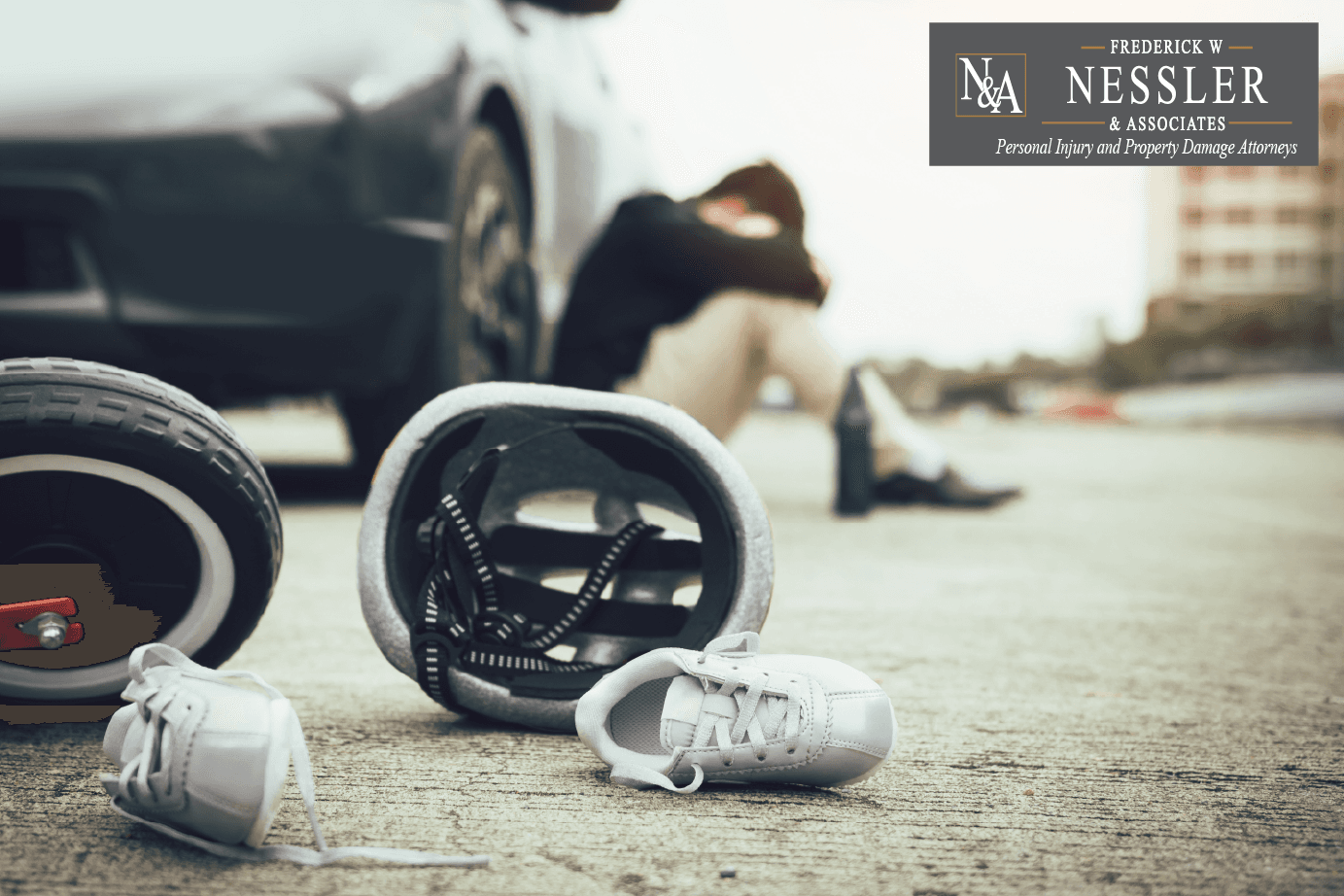
Drunk Driving Accidents: Why Warmer Weather Brings Greater Risk and What Victims Need to Know
Drunk driving remains one of the most preventable causes of death on American roads, yet it continues to claim thousands of lives every year. According to the National Highway Traffic Safety Administration (NHTSA), 11,904 people died in alcohol-impaired driving crashes in 2024 alone. That translates to one death every 44 minutes, every single day of the year.
Drunk driving accounts for approximately 30 percent of all traffic fatalities in the United States. Every one of those deaths was preventable. Behind each statistic is a real person and a family whose life was changed in an instant by someone else's decision to get behind the wheel while impaired.
Why Warmer Weather Increases the Risk
Spring and summer consistently produce some of the highest rates of drunk driving incidents of any time of year. The reasons are straightforward: warmer weather brings more outdoor gatherings, cookouts, festivals, graduation parties, and holiday weekends such as Memorial Day, Fourth of July, and Labor Day. Each of these occasions involves social drinking, and each carries with it an elevated risk of someone choosing to drive afterward.
NHTSA data shows that 69 percent of fatal drunk driving crashes occur in the dark, making warm-weather evenings and late nights particularly dangerous. Weekends carry the highest concentration of impaired drivers on the road, and summer weekends are among the most dangerous times to be driving.
If you are heading out this spring or summer, be aware of your surroundings. Watch for vehicles drifting between lanes, braking erratically, driving significantly below the speed limit, or making unusually wide turns. These are common signs of an impaired driver.
How Alcohol Impairs a Driver
Alcohol affects the brain quickly and progressively, impairing the very skills a driver depends on: reaction time, judgment, coordination, and the ability to track movement and process visual information. In most states, the legal blood alcohol concentration (BAC) limit is .08 grams per deciliter, though some states set the threshold even lower. Regardless of where the legal line is drawn, impairment begins well before that threshold is reached.
According to NHTSA, drivers with a BAC of .08 are approximately four times more likely to crash than sober drivers. At a BAC of .15, the risk increases to at least 12 times greater. Yet many impaired drivers do not look or feel drunk to themselves or others, making the danger even more unpredictable for everyone else on the road.
Injuries Commonly Sustained in Drunk Driving Accidents
Drunk driving crashes are often high-impact collisions because impaired drivers frequently fail to brake, swerve, or take any evasive action before impact. Victims of these crashes commonly sustain:
Traumatic brain injuries and concussions
Spinal cord injuries and paralysis
Broken bones and fractures
Internal organ damage and internal bleeding
Severe lacerations and permanent scarring
Wrongful death
Beyond the physical injuries, many survivors experience long-term psychological effects including post-traumatic stress disorder, anxiety, and depression. The road to recovery can be long and expensive, and it should not be a burden victims are left to carry alone.
Your Legal Rights After a Drunk Driving Accident
Being injured by a drunk driver is not just a tragedy. It is an act of negligence with serious legal consequences. In addition to any criminal charges the driver may face, victims have the right to pursue civil action to seek financial compensation for their As temperatures rise and people spend more time outdoors, roads across the country see a predictable and troubling increase in drunk driving. Warmer months bring more social gatherings, outdoor events, and holiday weekends, and with them, a higher number of impaired drivers. For those injured in drunk driving accidents, the physical, emotional, and financial toll can be devastating.
At the Law Offices of Frederick W. Nessler and Associates, we have spent over four decades fighting for victims of negligent drivers and their families. If you or someone you love has been injured by a drunk driver, you have legal rights worth understanding.
The Scope of the Problem
losses. A civil case is entirely separate from the criminal process and can proceed regardless of whether the driver is charged or convicted.
Compensation in a drunk driving civil case can include:
Current and future medical expenses, including surgery, rehabilitation, and mental health treatment
Lost wages and lost future earning capacity
Pain and suffering
Emotional distress and psychological trauma
Loss of enjoyment of life
In cases of gross negligence, punitive damages may also be available, which are designed to hold the at-fault party accountable beyond standard compensation.
How Nessler and Associates Can Help
The auto accident attorneys at Nessler and Associates have spent over four decades representing people who have been harmed by the negligence of others. Drunk driving cases require swift action. Evidence such as police reports, BAC test results, witness statements, and surveillance footage must be preserved and properly documented. The sooner you have an attorney working on your behalf, the stronger your case.
We handle cases across the country, with offices in Illinois, Florida, Texas, Colorado, and beyond. Our attorneys work on a contingency basis, meaning you pay nothing unless we win or settle your case. We are here to fight for you every step of the way.
No one should have to suffer the consequences of another person's reckless decision. If you or someone you love has been injured by a drunk driver, do not wait. Contact our team today for a free consultation and let us help you understand your options.
Contact Us Today for a Free Consultation
Phone: (800) 727-8010
Website: www.nesslerlaw.com
Risk-Free consultation. No fee until your case is settled or won.
By Blake Schaefer, Senior Director of Marketing
The Law Offices of Frederick W. Nessler and Associates