
Expert Guidance and Advocacy for Life’s Legal Challenges
Hail Damage Claim Attorney
Fill out the form below and someone from the Nessler & Associates team will reach out to you shortly. Remember, no fees unless you win!


Reach Out For Your Risk Free,
No-cost Consultation
By submitting this form, you agree to allow us to contact you, as well as our terms of service and Privacy Policy.
When Your Insurance Company Won’t Pay What Your Hail Damage Is Worth
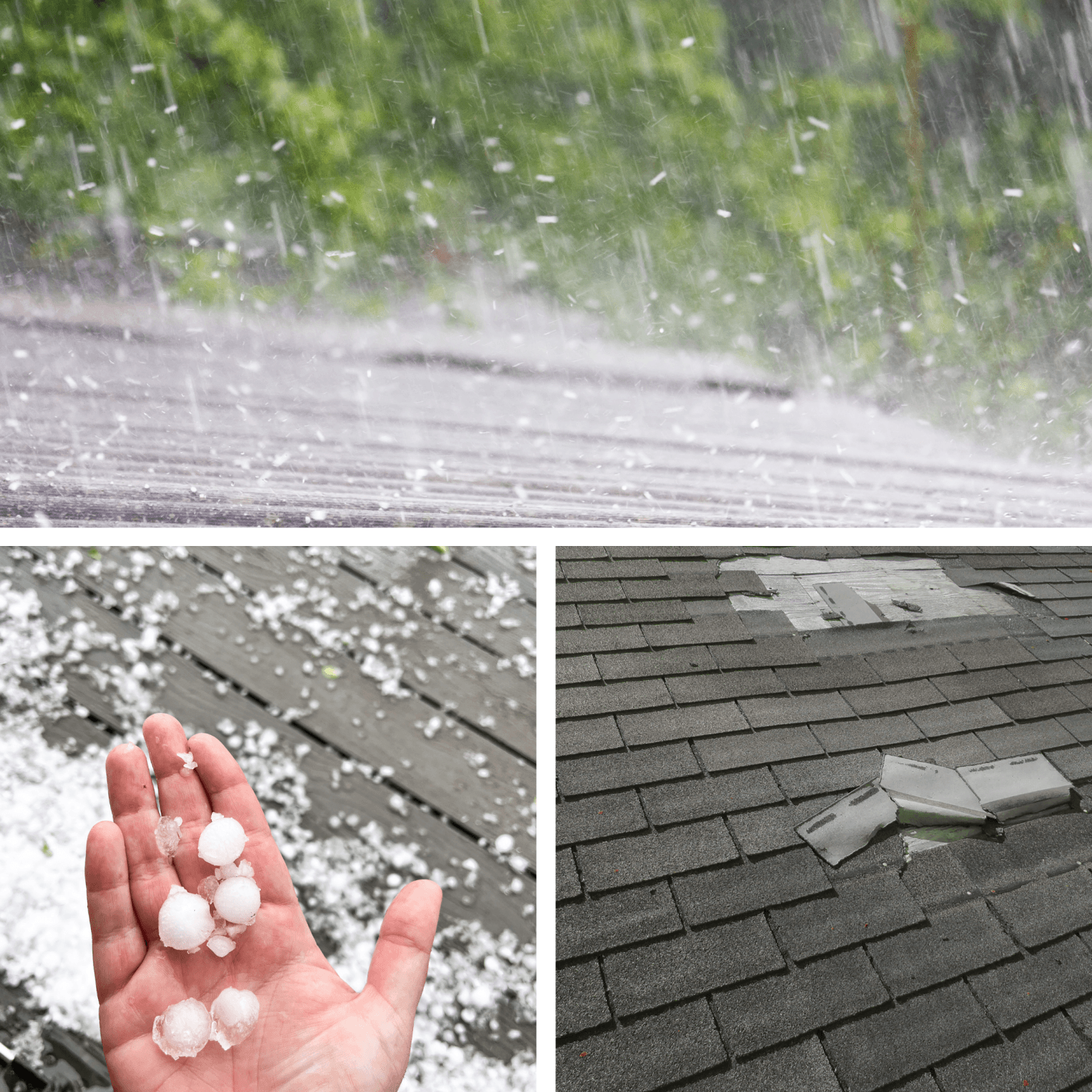
Hail can damage a roof, siding, gutters, windows, HVAC equipment, and other parts of a property in a matter of minutes. Getting the insurance company to pay for those repairs can take considerably longer.
After a hail claim is filed, the insurer may send an adjuster whose estimate falls well below a contractor’s repair estimate. It may argue that the damage was already there, apply depreciation that significantly reduces the payment, or point to a policy exclusion that may not actually apply to the loss.
Nessler & Associates has represented property owners in insurance disputes for more than four decades. Our attorneys pursue hail damage claims in Florida, Illinois, Texas, Missouri, Kentucky, and Colorado. If your claim has been denied or the amount offered will not cover the repairs your property needs, you do not have to accept the insurance company’s decision as the final word.
We take qualifying hail damage claims on a contingency fee basis, which means you pay no attorney fees unless we recover compensation for you.
No Fees Unless You Win!
Reach Out For Your Risk Free No-cost Consultation
Fill out the form and someone from the Nessler team will reach out to you shortly. Remember, no fees unless you win!
Reach Out For Your Risk Free,
No-cost Consultation
By submitting this form, you agree to allow us to contact you, as well as our terms of service and Privacy Policy.
The Damage Hail Can Leave Behind
Hail damage is not always easy to spot from the ground. A roof can look intact while shingles, flashing, underlayment, or other components have sustained damage that eventually allows water into the property. Other exterior systems may also be affected.
Common hail damage includes:
Roofing: Cracked, bruised, or missing shingles, damaged flashing, compromised underlayment, and other conditions that may allow water intrusion
Gutters and Downspouts: Dents, separations, and damage that interfere with proper drainage
Siding: Cracks, impact marks, dents, and damage to weather-resistant surfaces
Windows: Cracked glass, damaged frames, and broken seals
HVAC Equipment: Bent fins, damaged exterior components, and other problems that can affect operation
Commercial Property Components: Flat roof membranes, skylights, signage, rooftop equipment, and other exterior systems
Residential and Commercial Hail Damage Claims
Hail can damage homes and commercial buildings alike, although the claims often involve different types of losses.
For homeowners, common disputes involve roofs, siding, gutters, and windows. An insurer may argue that the damage is cosmetic, resulted from normal aging, or was caused by a different storm.
Commercial claims may involve flat roofs, HVAC systems, skylights, signage, and other costly building components. Because the losses can be substantial, disagreements over repair scope and replacement costs can become more complex.
The size and complexity of the claim may differ, but insurers can dispute both just as aggressively. Our commercial property insurance attorneys and residential property insurance attorneys represent clients when the amount offered does not reflect the full scope of the covered damage.
Why Hail Damage Claims Get Denied or Underpaid
An insurance company may have several reasons for questioning a hail claim. Some disputes are legitimate questions about coverage or the cause of the damage. Others arise when the insurer’s assessment simply does not align with what the property owner, contractor, or independent evaluator sees.
Common disputes include:
Pre-Existing Damage
The insurer claims the damage resulted from normal wear, deterioration, or an earlier storm rather than the hail event reported in the claim.
Depreciation
The insurer applies depreciation that substantially reduces the amount available for repairs or replacement.
Policy Exclusions
Coverage is denied based on an exclusion that may not apply to the circumstances of the loss.
Low Repair Estimates
The insurer’s estimate is significantly lower than quotes from licensed contractors.
Deductible Disputes
The insurer determines that the covered damage does not exceed the deductible, even when other assessments suggest otherwise.
You are not required to accept the insurer’s explanation without questioning it. If the company has denied your claim, offered far less than the estimated repair cost, or disputed the source of the damage, an attorney can review the policy and the insurer’s position to determine what options may be available.
What to Do After a Hailstorm
What you do after a storm can affect both the condition of your property and your ability to pursue an insurance claim. Whenever it is safe to do so, begin documenting what happened.
Property owners should consider taking the following steps:
Photograph and record visible damage before permanent repairs are made.
Review the insurance policy for coverage requirements and reporting deadlines.
Report the loss to the insurance company promptly.
Obtain an independent repair estimate from a licensed contractor.
Keep copies of estimates, invoices, correspondence, claim documents, and photographs.
Speak with a hail damage claim attorney before accepting a settlement that does not appear to cover the loss.
Insurance policies and state laws can impose different deadlines for reporting damage or pursuing a dispute. Waiting too long may make a claim more difficult and, in some circumstances, may affect your legal rights. If you are uncertain about a deadline, it is better to have the claim reviewed early.
How We Approach a Hail Damage Insurance Dispute
Our work begins with a free case evaluation. We review your insurance policy, the insurer’s estimate or denial, documentation of the damage, and other information that may affect the claim.
From there, we examine where the insurer’s position falls short. That may involve comparing its estimate with contractor bids, reviewing depreciation, examining exclusions cited in a denial, or obtaining independent damage assessments when appropriate.
When the insurance company refuses to fairly address a covered loss, we negotiate for the compensation the claim supports. If a fair resolution cannot be reached, we are prepared to pursue the dispute through litigation.
Nessler & Associates has represented clients since 1977 with an approach built around straight talk and aggressive representation. Our contingency fee structure means you pay no attorney fees unless we recover for you.
You can review our case results to learn more about the firm’s history of representing clients in disputed claims and other civil matters.
Where We Represent Hail Damage Claim Clients
Nessler & Associates represents clients in hail and storm insurance disputes across several states:
Florida: Our Largo office serves clients throughout the state.
Illinois: Offices in Springfield, Champaign, and Rockford.
Texas: Our Fort Worth presence serves clients throughout the area.
Missouri: Representation for qualifying hail damage claims.
Kentucky: Representation for qualifying insurance disputes.
Colorado: Representation for qualifying hail damage claims.
Florida property owners dealing with hurricane losses can learn more on our hurricane damage attorney page. Visit our locations page for additional information about where we practice.
Frequently Asked Questions About Hail Damage Claims
A hail damage claim attorney reviews your insurance policy, evaluates the insurer’s denial or settlement offer, and determines whether there are grounds to challenge its decision. This may include disputing valuations, addressing pre-existing damage arguments, reviewing independent assessments, negotiating with the insurer, and pursuing litigation when necessary.
Yes. A denial does not necessarily end your claim. An attorney can review the denial letter, policy language, and available evidence to determine whether the insurer’s decision can be challenged.
Deadlines vary by state and policy. Insurance policies may also contain reporting requirements that are shorter than the legal deadline for filing a lawsuit. Consulting an attorney early can help you understand the deadlines that apply.
Nessler & Associates offers free case evaluations and accepts qualifying claims on a contingency-fee basis. You pay no attorney fees unless we recover compensation for you. Call (800) 727-8010 to get started.
No. Insurance laws, policy requirements, and litigation procedures vary by state. Our multi-state practice allows us to approach each claim in accordance with the laws that apply where the loss occurred.
Talk to a Hail Damage Claim Attorney
An underpaid or denied hail damage claim does not necessarily end with the insurance company’s decision. If the settlement will not cover your repairs or the insurer has denied coverage, Nessler & Associates can review the claim and explain your options.
We represent residential and commercial property owners in Florida, Illinois, Texas, Missouri, Kentucky, and Colorado on a contingency fee basis.
Call (800) 727-8010 or contact us online for a free, confidential case evaluation. If your insurer is not paying what your hail damage is worth, talk with our attorneys about what to do next.

Our Locations
M-F 8am – 5:00pm
M-F 8am – 5:00pm
M-F 8am – 5:00pm
M-F 8am – 5:00pm